

다큐멘터리 <어느 독일인의 삶>(A German Life)에 대한 요약과 평론입니다
<작품 요약>
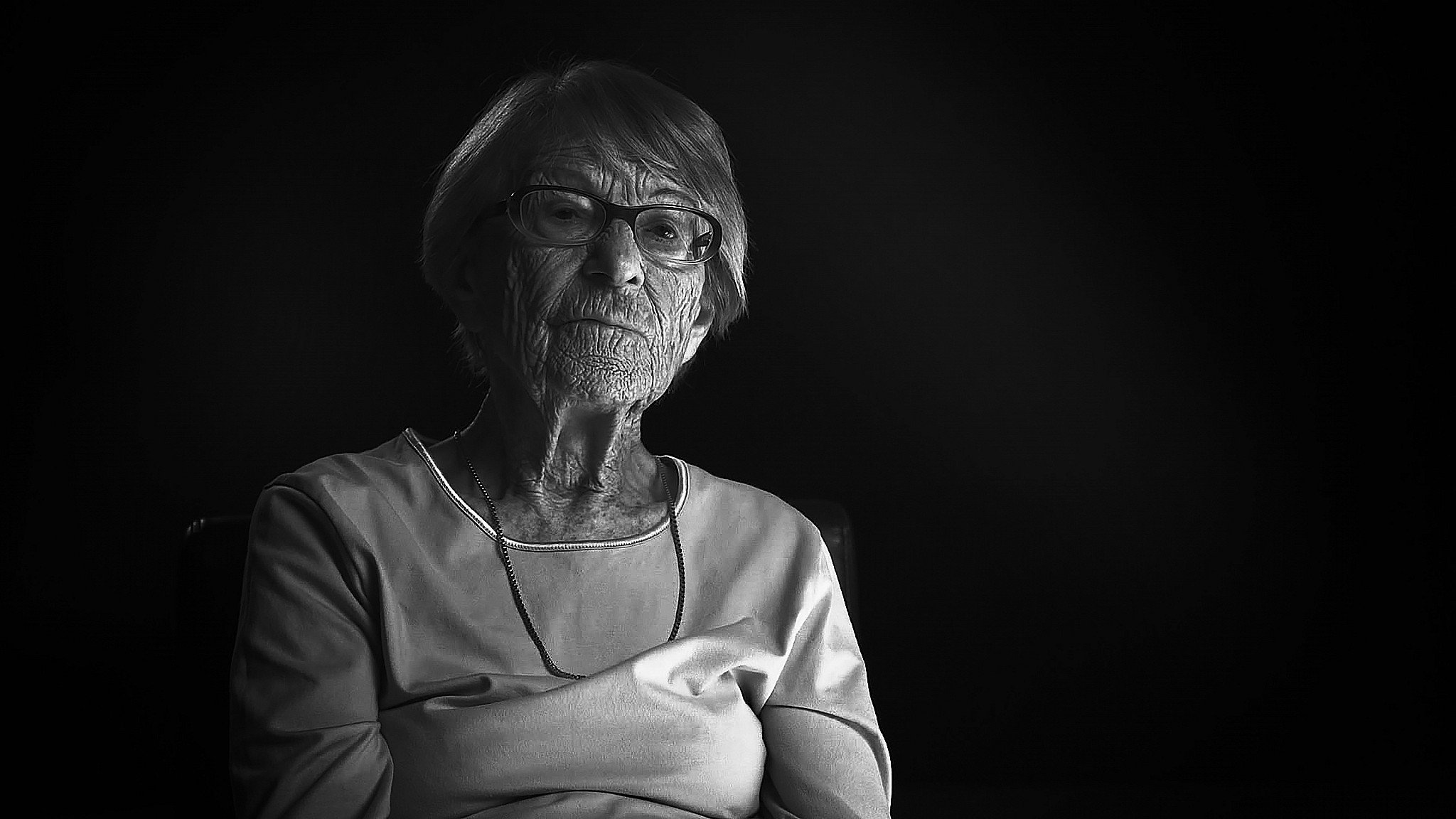
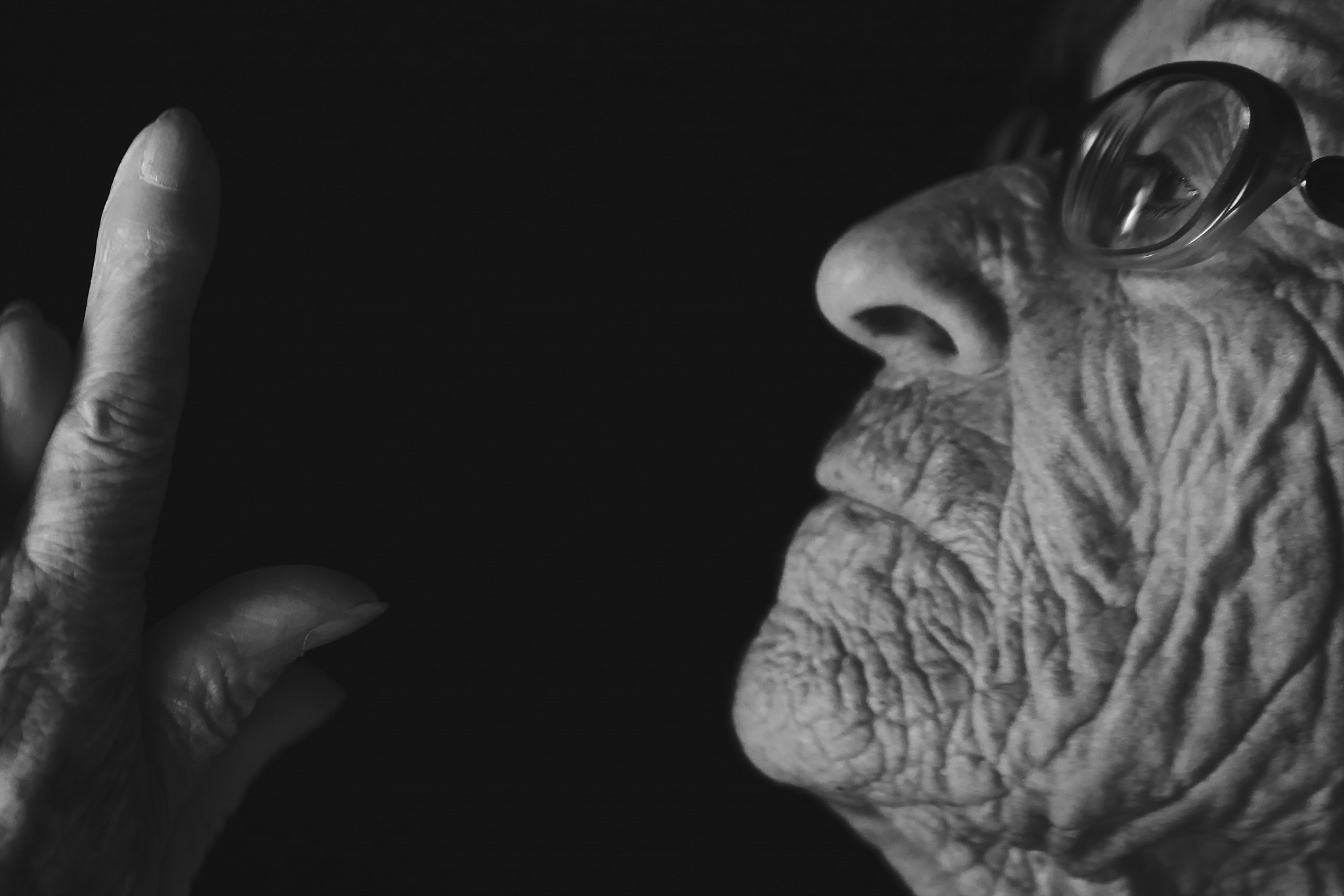
다큐멘터리 영화 <어느 독일인의 삶>은 나치 선전부 장관 요제프 괴벨스의 비서이자 속기사로 일했던 브룬힐데 폼젤(Brunhilde Pomsel)의 인터뷰를 중심으로 전개된다. 100세를 넘긴 폼젤의 주름진 얼굴을 극단적인 흑백 클로즈업으로 담아내며, 중간마다 1930~40년대 나치 독일의 선전 및 기록 필름을 교차 편집한다.
폼젤은 자신이 정치에 무관심한 평범한 타자수였을 뿐이라고 증언한다. 그녀는 나치당에 가입한 이유도 단순한 고용 안정과 승진 기회 때문이었으며, 괴벨스의 사무실에서 일하면서도 유대인 학살이나 강제수용소의 참상을 전혀 몰랐다고 주장한다. 그녀는 거대한 국가 권력의 톱니바퀴 속에서 맡은 업무를 성실히 수행했을 뿐, 자신에게 직접적인 죄책감이나 도덕적 책임은 없다는 태도를 견지한다. 영화는 종전 직전 총통 벙커에서의 혼란과 전후 소련 수용소 수감 생활, 그리고 뒤늦게 마주한 파국의 기억을 담담하게 늘어놓는다.
<평론: 평범성의 방패 뒤에 숨은 무관심의 무게>
<어느 독일인의 삶>은 한나 아렌트가 제시한 <악의 평범성> 개념을 가장 생생하고 서늘하게 시각화한 텍스트다. 감독들은 폼젤을 괴물로 규정하거나 단죄하는 쉬운 길을 택하지 않는다. 대신 미세한 표정 변화와 숨소리까지 포착하는 정밀한 카메라 워크를 통해, 관객이 그녀의 목소리에 귀를 기울이게 만들며 점차 섬뜩한 기시감을 마주하게 한다.
폼젤의 회고에서 가장 핵심적인 부분은 악의 부재가 아니라 <도덕적 상상력의 마비>다. 그녀는 괴벨스를 세련되고 예의 바른 상사로 기억하며, 체제의 혜택은 누리면서도 그 체제가 굴러가며 만들어낸 비극에 대해서는 시선을 돌려버렸다. "우리는 몰랐다"는 그녀의 진술은 거짓말이라기보다, 알고 싶어 하지 않았던 적극적 무관심에 가깝다. 직업적 충실함과 일상의 소박함을 구실 삼아 윤리적 책임을 체제에 전가하는 그녀의 태도는 나치 시대를 살아간 대다수 독일인의 초상이자 체제의 부역 방식이었다.
작품은 과거의 역사를 들추는 데 머물지 않고 질문의 칼끝을 관객에게 돌린다
A German Life (2016) — 독일인의 삶
브룬힐데 폼젤의 증언, 악의 평범성, 기억과 책임 | 요약 및 비판적 평론
1. 영화와 증언자의 위치
오스트리아 다큐멘터리 <A German Life>(2016)는 나치 선전장관 요제프 괴벨스의 비서로 일했던 브룬힐데 폼젤(1911–2017)을 인터뷰한 작품이다. 촬영 당시 103세였던 폼젤은 자신의 어린 시절과 취업, 나치 선전부에서의 근무, 전쟁의 종말과 전후의 삶을 회상한다. 흑백의 극단적인 얼굴 클로즈업과 역사 기록영상이 교차하며, 개인의 회상과 역사적 참상 사이에 긴장을 만든다. 이 영화는 폼젤을 나치 범죄의 결정권자로 제시하지 않는다. 오히려 독재체제의 한복판에서 일한 평범한 사무직원이 자신의 역할을 어떻게 이해하고 기억하는지를 묻는다.
2. 취업과 출세의 이야기
폼젤은 경제적 불안과 정치적 혼란 속에서 성장했고 안정된 일자리를 찾았다. 방송 업무를 거쳐 1942년 선전부에서 일하게 된 과정은 그녀 자신의 설명에서는 주로 직업적 기회와 생계의 문제다. 그녀는 스스로를 열성적인 나치 신봉자로 묘사하지 않는다. 괴벨스를 가까이에서 접한 기억도 그의 정치적 범죄보다 예의 바른 상관이라는 인상에 치우친다. 바로 이 분리가 중요하다. 한 개인이 상관의 사적인 친절함을 경험했다는 사실은 그 상관이 수행한 공적 폭력을 조금도 지우지 못한다. 영화는 직업적 성실성이 사회적 선에 기여한다는 통념을 흔든다.
3. “몰랐다”는 주장의 한계
폼젤의 가장 논쟁적인 진술은 유대인 집단학살을 당시에는 제대로 알지 못했다는 것이다. 이를 평가할 때는 절멸수용소의 정확한 운영과 규모에 관한 지식, 유대인에 대한 공개적 박해를 인식한 정도, 그리고 불편한 정보를 의도적으로 외면했는지를 구별해야 한다. 전시의 정보 통제는 실재했지만, 유대인에 대한 차별·폭력·추방 또한 가시적이었다. 선전부에서 근무한 그녀가 정확히 어떤 문서를 보았는지는 개별 증거 없이 단정할 수 없다. 그렇다고 정보가 없었다는 자기진술만으로 면책할 수도 없다. ‘알지 못함’은 때로 권력이 만든 결과이며, 때로 개인이 선택한 태도다. 영화의 강점은 이 모호함을 쉽게 해소하지 않는 데 있다.
4. 기억은 중립적인 기록이 아니다
전쟁이 끝나고 수십 년이 지난 뒤의 증언은 당시의 감정과 행동을 그대로 복원하는 녹음기가 아니다. 사람은 자기 삶의 연속성과 존엄을 지키기 위해 과거의 선택을 재구성한다. 폼젤이 스스로를 정치와 무관한 직장인으로 묘사하는 방식에는 진실한 기억과 자기정당화가 함께 존재할 수 있다. 그렇다고 노년의 증언자를 거짓말쟁이로 몰아붙이는 것도 좋은 역사 방법이 아니다. 구술사는 무엇을 기억하는가뿐 아니라 무엇을 말하지 않는가, 어떤 언어로 책임을 설명하는가를 살펴야 한다. 역사적 기록영상과 인터뷰의 병치는 이러한 비판적 읽기를 관객에게 요구한다.
5. 아렌트의 악의 평범성과의 관계
한나 아렌트가 아이히만 재판을 통해 제기한 ‘악의 평범성’은 잔혹한 결과가 일상적인 관료적 사고와 판단의 결핍 속에서도 가능하다는 통찰이다. 다만 아이히만은 유대인 추방의 조직에 핵심적으로 관여한 인물이므로 폼젤과 책임의 크기를 같게 놓을 수 없다. 비교할 만한 것은 ‘명령을 따랐다’, ‘내 업무만 했다’는 식의 도덕적 자기분리다. 업무를 잘 수행했는가와 그 업무가 어떤 정치적 목적에 봉사했는가는 다른 질문이다. 조직의 작은 톱니바퀴였다는 말은 그 톱니바퀴의 기능을 이해하는 출발점이지 책임 논의의 끝이 아니다.
6. 개인의 책임과 구조의 책임
사회학적으로 보면 나치 독재는 지도자 개인의 악의만으로 작동하지 않았다. 선전, 행정, 운송, 산업, 경찰과 관료조직의 협력이 필요했다. 그렇지만 모든 협력자를 동일한 가해자로 부르는 것은 역사적 분석을 흐린다. 각자의 권한, 정보 접근성, 행위의 결과, 거부 가능성과 위험을 구체적으로 따져야 한다. 폼젤의 사무 업무와 학살을 기획한 책임자의 행위는 다르다. 동시에 직접 살인을 하지 않았다는 사실이 선전기구에 기여한 문제까지 사라지게 하지는 않는다. 이 영화는 죄의 유무를 단순히 양분하는 대신, 여러 층위의 책임을 묻도록 한다.
7. 영화 형식의 힘과 한계
화면을 채우는 폼젤의 얼굴은 관객이 한 사람의 연약함과 인간성을 느끼게 한다. 그 인간적 친밀감과 역사 기록영상의 폭력성 사이에서 관객은 쉽게 결론을 내리지 못한다. 이 형식은 가해 체제에 가까이 있었던 사람도 평범한 일상을 살았다는 사실을 설득력 있게 전달한다. 반면 인터뷰의 압도적 비중은 피해자의 목소리를 주변화할 위험이 있다. 폼젤의 업무 내용, 당시 선전부의 정보 유통, 동시대 독일인의 인식에 관한 역사학적 검증이 더 풍부했다면 작품은 한층 강력했을 것이다. 따라서 이 영화는 홀로코스트 전반의 역사서가 아니라 한 사람의 기억을 비판적으로 읽게 하는 도덕적·역사적 초상으로 보아야 한다.
8. 퀘이커의 양심과 시민적 불복종
퀘이커의 평화 증언과 양심의 전통에서 중요한 질문은 ‘상관이 시키는 일을 했는가’가 아니라 ‘그 일이 진실과 평화에 부합하는가’이다. 국가의 명령이나 직업적 의무가 개인의 판단을 완전히 대체할 수는 없다. 그렇지만 독재 아래의 저항에는 실직, 투옥과 죽음의 위험이 있었음을 함께 고려해야 한다. 이 영화는 모든 사람에게 손쉬운 영웅주의를 요구하기보다, 불의를 알아차리는 감수성과 자신이 속한 제도를 질문하는 용기를 성찰하게 한다. 양심은 선량한 자기이미지가 아니라 때로 비용을 치르는 실천이다.
9. 종합 평가
<A German Life>가 던지는 가장 불편한 질문은 ‘왜 독일인들은 그토록 악했는가’가 아니다. ‘어떻게 자신을 평범하고 선량하다고 생각하는 사람들이 폭력적인 체제의 일상을 가능하게 하는가’이다. 폼젤의 증언은 면죄부도 완전한 자백도 아니다. 그것은 기억, 자기보호, 정치적 무관심, 제한된 선택과 책임이 얽힌 자료다. 영화의 미덕은 관객에게 간단한 도덕적 우월감을 허락하지 않는다는 점이다. 그러나 그 불편함을 ‘우리 모두 똑같다’는 주장으로 바꾸어서도 안 된다. 권한과 행동의 차이를 정확히 구별할 때 책임에 관한 판단도 정교해진다. 이 작품의 현재적 의미는 직장, 국가, 종교기관에서 ‘내가 맡은 일’이 무엇에 봉사하는지 묻는 시민적 양심을 요청하는 데 있다.
Film review 'I was just a woman,' shrugs Brunhilde Pomsel
Shot in black and white, ‘A German Life’ paints WWII in chilling shades of gray
The film’s ‘star,’ a secretary to Goebbels who was in Hitler’s bunker at the very end, continues to deny culpability, still gets teary-eyed about the Fuhrer’s suicide
By Jordan Hoffman21 December 2017, 2:04 pm

Brunhilde Pomsel, a secretary from Josef Goebbels' propaganda office, in 'A German Life.' (Courtesy)

Brunhilde Pomsel, a secretary from Josef Goebbels' propaganda office, in 'A German Life.' (Courtesy)
Brunhilde Pomsel, a secretary from Josef Goebbels' propaganda office, in 'A German Life.' (Courtesy)

Brunhilde Pomsel, a secretary from Josef Goebbels' propaganda office, in 'A German Life.' (Courtesy)

Brunhilde Pomsel, a secretary from Josef Goebbels' propaganda office, in 'A German Life.' (Courtesy)
Brunhilde Pomsel, a secretary from Josef Goebbels' propaganda office, in 'A German Life.' (Courtesy)1
2
3
4
5
6
NEW YORK — Anyone with a shred of humanity has wondered just how an average German citizen could go on with his life as the Nazis took power. Anyone with a shred of sense has likely realized it wasn’t all that difficult.
As social scientists like Stanley Milgram have proved, obedience to authority isn’t just a moral escape hatch, it is hardwired into most of our thinking. There have been countless documentaries featuring ex-Nazis who give a variant of “just following orders.” Each one of them is terrifying in its own way.
“A German Life,” which opens in the US on December 22, has the distinction of probably being one of the last. The “star,” if you want to call her that, is Brunhilde Pomsel, a secretary from Josef Goebbels’ propaganda office who died earlier this year at the age of 106.

It is pointless to get angry at Pomsel, and no great effort is made for us to feel sorry for this old woman. A delicate balance is struck; the harsh, high-contrast photography in the film has a distinct dehumanizing effect. Her wrinkled skin is reptilian, as are the sounds she makes while moistening her lips. And yet her stories, mostly mundane in nature, are very relatable. She was, after all, just a person.
Her earliest memories involve her father leaving to fight in World War I. She speaks of a different time, almost superstitious with its strict rules. Later she gets a job as a typist for a man she calls her “dear Dr. Goldberg,” a Jew. A boy asks her out on a date to the Berlin Sportpalast, where she thrilled at the great hall, the music, the “stinking men” — everything except the political speeches that didn’t interest her. “I was just a woman,” she shrugs.
Get The Times of Israel's Daily Editionby email and never miss our top stories
Newsletter email addressGet it
By signing up, you agree to the terms
In time the Nazis come to power, and, once again in a man’s company, she cheered Hitler at the Brandenburg Gate. She claims she was oblivious to the racial aspects of the National Socialists, but somehow knew enough not to mention her attendance to Dr. Goldberg or her life-of-the-party Jewish friend Eva.
As Goldberg’s business suffered she found work at a radio station. Rumors swirled that if she joined “The Party” job opportunities would increase. In her most shocking story, Pomsel details the day she officially became a Nazi: She lined up (it was the last day to enroll) accompanied by her Jewish pal, Eva. When she went in the building, Eva sat on a bench. To this day Pomsel moans about the 10 marks (all she had saved) she had to spend to join. Eva, she later found out, was deported in 1943 and died in the camps.
 Brunhilde Pomsel in a still from the documentary film, ‘A German Life.’ (Courtesy)
Some of Pomsel’s recollections go on for minutes, others are just snippets. Her fondest memories are of the 1936 Olympic Games where the world came to Berlin and all seemed so sophisticated. Meeting someone from India — or was it Japan? — was like something from a storybook.
Advertisement
She calls Goebbels an elegant man at the office, but unrecognizable (a raging midget) during his fiery, hate-fueled speeches. She explains how people today could never understand what life was like in Germany at that time. “We were under a dome.” Oftentimes she drifts off in poetic ways: “It’s the same for all things. Everything beautiful is also tainted. And whatever is horrible has its bright side.”
She was in Hitler’s bunker at the very end, and still gets teary-eyed hearing of the Fuhrer’s suicide. Not that she loved him (and I believe she is sincere about that) but the shock to her system knowing that the war was over and she was on the losing side. “We were trapped like animals,” she says of the Soviet advancement.
Brunhilde Pomsel recalled spending her last 10 marks to join the Nazi party. Her friend Eva, who accompanied her in line, died in a concentration camp. Screenshot from the documentary film ‘A German Life.’ (Courtesy)There are no interviewers or other subjects in “A German Life,” just interwoven newsreels, propaganda films and period footage, much of it from the Steven Spielberg archive. Included, fair warning, are some of the most heinous and disturbing images of Jewish victims of Nazi atrocities I’ve ever seen, and I’ve seen a lot of these films.
The shock of these grotesque moments is well-served. Pomsel claims she had no knowledge of what happened within the camps. (The closest thing to an immoral act she’ll cop to is manipulating field reports: lowering German causality rates, increasing the number of reported rapes by Soviet troops.)
But from our vantage point in the allegedly enlightened present, we know the truth. We know what can happen when governments use fear tactics to dehumanize a minority. We know what people just following orders are capable of.
“A German Life” is not exactly what I’d call a nice night out at the movies. It is an educational document more than anything else, but I don’t want to seem glib about its artistic merits. Its editing is deceptively simple and very effective. One does not come away seething at Pomsel; our anger is directed at the circumstances and institutions that led to her experience. If we are to Never Forget, we must also try, as difficult as it is, to understand.
=
=
=
=
=
==


No comments:
Post a Comment